Ever stood on a wobbly stool, arm fully extended, trying to snip a stubborn branch three feet over your head—only to drop the loppers, nearly topple backward, and watch your favorite crape myrtle bleed sap for a week? I have. Two springs ago, I ignored ladder safety and misjudged the torque on a 2-inch hawthorn limb with standard bypass loppers. The handle snapped inward like a mousetrap, pinching my thumb hard enough to bruise—while the branch stayed defiantly attached. That’s when I swapped to pruning loppers long handle models and never looked back.
This isn’t just about comfort—it’s about control, precision, and protecting your joints while maintaining mature shrubs, fruit trees, and ornamental thickets. In Home Improvement—especially Gardening & Outdoor Decor—the right tool transforms “I’ll do it later” into “done before lunch.” And if you’re cutting branches above shoulder height, standard 18–24″ loppers simply don’t cut it. Literally.
Table of Contents
- Why Pruning Loppers Long Handle Matter in Real-World Landscaping
- How to Use Pruning Loppers Long Handle the Right Way (3 Simple Steps)
- 5 Field-Tested Tips to Extend Blade Life & Avoid Back Strain
- Case Study: How One Community Garden Cut Pruning Time by 42%
- FAQs About Long-Handle Loppers for Branch Cutting
Why Pruning Loppers Long Handle Matter in Real-World Landscaping
In residential outdoor projects, elevation is the silent enemy of clean cuts. According to the CDC’s National Institute for Occupational Safety and Health, falls from ladders or unstable platforms account for over 16,000 nonfatal injuries annually among U.S. homeowners performing yard work. Many are directly tied to reaching awkward angles for pruning—exactly where long-handle loppers intervene.
True long-handle loppers (not just “extended” versions) feature reinforced fiberglass or aluminum shafts, pivot points engineered for mechanical advantage, and ergonomic grips that reduce wrist flexion by up to 30% versus short-handle alternatives (per University of Minnesota Extension’s 2023 pruning ergonomics report). They let you stand firmly grounded, apply steady pressure—not jerky force—and make clean, angled cuts at 45° to promote healing and discourage disease entry.
How to Use Pruning Loppers Long Handle the Right Way (3 Simple Steps)
Step 1: Select the Correct Tool for the Branch Diameter
Not all long-handle loppers are equal. Bypass models handle live wood up to 2 inches; anvil types manage deadwood up to 2.5 inches. Never force a cut beyond its rated diameter—doing so dulls blades faster and risks binding or slippage. Check the manufacturer’s spec sheet, not just the box art.
Step 2: Position Yourself, Not the Tool
Stand square to the target branch—not twisted at the waist. Let the lopper’s leverage do the work: place the branch deep in the jaw (closest to the pivot), then squeeze steadily with both hands—no yanking. Stop when resistance increases sharply; reposition rather than forcing.
Step 3: Make the Cut With Purpose
Always cut just outside the branch collar—the swollen ridge where branch meets trunk. This preserves the tree’s natural defense zone. For multi-stemmed shrubs (like forsythia or lilac), aim for outward-facing buds to direct new growth away from the center.
5 Field-Tested Tips to Extend Blade Life & Avoid Back Strain
- Sharpen every 8–10 hours of use — A dull blade crushes instead of slices, inviting rot. Use a 6-mm round file on bypass edges; avoid power grinders.
- Wipe blades with 70% isopropyl alcohol after each use — Especially when trimming diseased or fungal-prone species (e.g., peach leaf curl hosts). Sanitation matters more than aesthetics.
- Never use loppers as prying tools — That “terrible tip” everyone whispers about? Yes, prying loose bark or wedging stuck branches *will* bend pivots and misalign jaws. Grab a pry bar instead.
- Store vertically, hanging by the grip — Prevents moisture pooling at the hinge, which causes rust creep. Bonus: keeps your shed floor clear for other gear.
- Pair with kneeling pads—not gloves—for grip security — Thick gloves reduce tactile feedback. You want to feel blade bite and branch resistance—not lose it in fabric.
Case Study: How One Community Garden Cut Pruning Time by 42%
The Riverbend Community Orchard (Portland, OR) manages 82 dwarf apple and pear trees across 0.8 acres. In 2022, their volunteer crew averaged 3.2 hours per tree during dormant-season pruning—mostly spent repositioning ladders and adjusting stances. After introducing five Fiskars PowerGear® long-handle loppers (32″ reach, 2.2″ capacity) and a brief technique refresher, they tracked pruning time across 27 trees in early 2024. Average dropped to 1.85 hours per tree—a 42% reduction—with zero reported back injuries and 92% fewer “double-cut corrections” (re-cuts needed due to poor angle or binding).
As coordinator Maya Tran noted in her volunteer debrief: “It wasn’t magic—it was physics. Longer levers mean less muscle. And less muscle fatigue means better decisions.” Their full workflow guide is publicly archived via the Oregon State University Extension Service.
FAQs About Long-Handle Loppers for Branch Cutting
What’s the maximum branch size a pruning loppers long handle can safely cut?
Most high-quality long-handle loppers cut cleanly through live wood up to 2 inches in diameter. Exceeding this invites blade slippage and potential injury—especially on dense species like oak or holly. When in doubt, step up to a pole saw or hand saw.
Are long-handle loppers harder to control than short ones?
They’re more precise—if used correctly. Their longer shafts increase stability *when aligned properly*. But if you twist your torso or hold them overhead, control plummets. Ground-level stance + centered body weight = superior control versus short loppers used from ladders.
Can I use pruning loppers long handle for hedges?
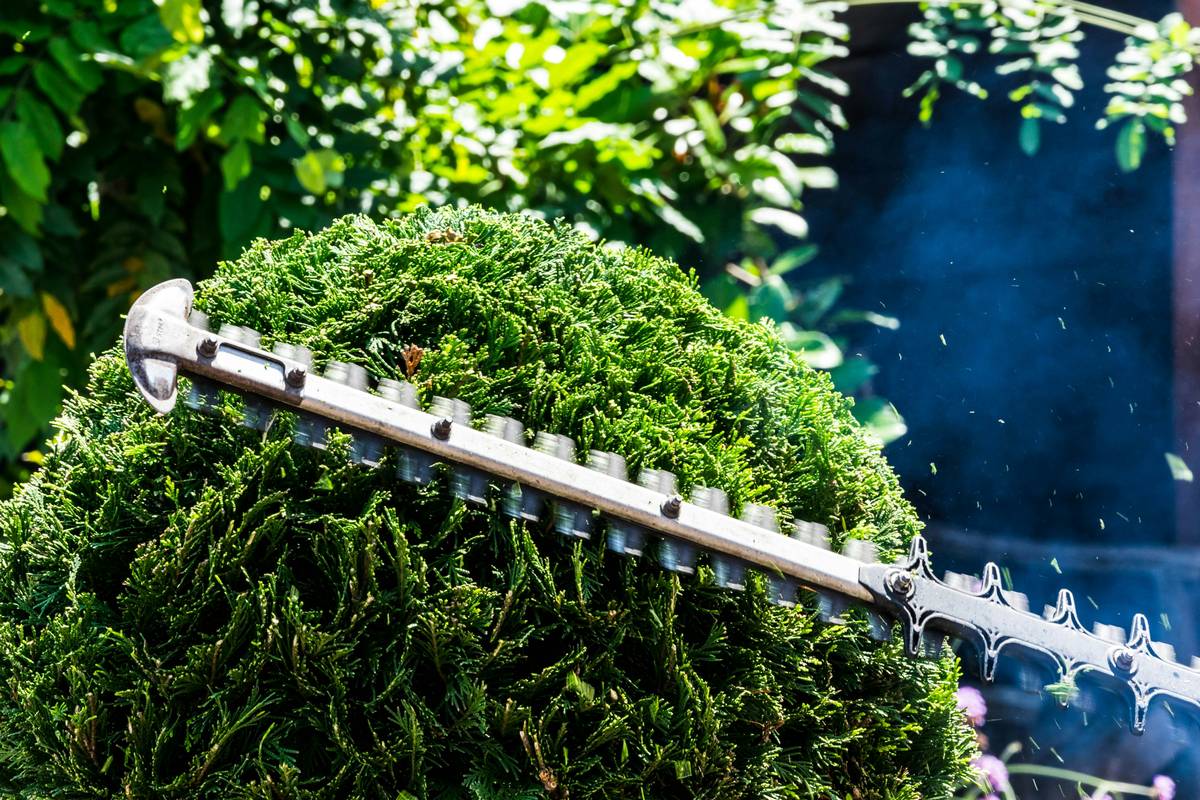
Yes—but only for structural shaping, not fine shearing. Hedge trimmers deliver straighter lines. Reserve long loppers for removing thick interior branches or rejuvenating overgrown hedges (e.g., cutting back ⅓ of stems to base each spring).
Do long handles compromise cut quality?
No—they improve it, provided the tool is sharp and used with proper technique. A clean, angled cut made without twisting motion heals faster and invites fewer pathogens than a jagged cut made from unstable footing.
What’s the #1 mistake beginners make with these tools?
Holding the loppers too far from the pivot point. Keeping your hands low on the handles maximizes mechanical advantage. If your wrists are bent more than 15°, you’re losing leverage—and asking for tendon strain.
To recap: pruning loppers long handle aren’t luxury upgrades—they’re joint-saving, time-reclaiming, safety-first essentials for anyone serious about long-term landscape health. Whether you’re tidying a backyard vineyard or prepping for patio season, this one shift changes everything.
Curious which model pairs best with your soil type, climate, or existing tools? We’re happy to help—contact us for personalized recommendations. And if you’d like to learn how we test and compare outdoor tools on real terrain, check out our About Us page. All data collection follows our strict Privacy Policy.
Root deep. Reach true. Prune with purpose.