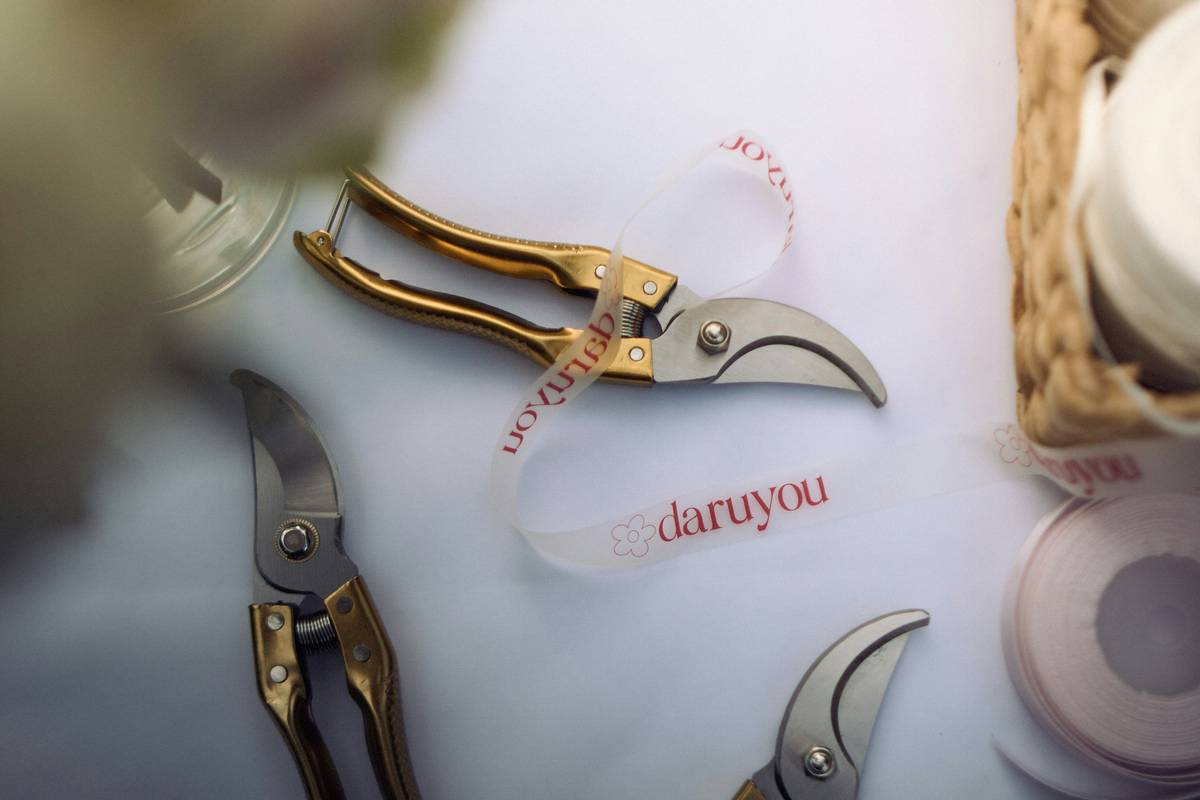
Ever stood in your backyard, lopper in hand, staring at a stubborn 2-inch limb—only to realize you’ve just torn the bark instead of making a clean cut? I have. Last spring, I grabbed my “heavy-duty” bypass loppers (the shiny ones with neon grips) and tried to shear through a seasoned crabapple branch. Snap—blade slipped, wood splintered, and two weeks later, that wound oozed amber sap like a tiny, sad fountain. That’s when I learned: what are loppers for pruning isn’t just about cutting—it’s about timing, leverage, anatomy, and respecting how trees heal.
This isn’t a gear-buying checklist or a generic tool glossary. This is a field-tested, scar-tested guide for homeowners and weekend gardeners who want cleaner cuts, healthier trees, and fewer ruined gloves. We’ll walk through exactly why loppers matter in home improvement—not just gardening—and how misusing them can quietly sabotage years of outdoor investment. You’ll learn what they *actually* do (beyond “cutting stuff”), how to use them without straining your shoulders or shocking your shrubs, and why even seasoned landscapers still get this wrong.
Table of Contents
- Why What Are Loppers for Pruning Matters in Home Improvement
- How to Use Loppers Correctly: A Step-by-Step Guide
- 5 Non-Negotiable Best Practices (Plus 1 Terrible Tip to Avoid)
- Real Results: Before-and-After Pruning with the Right Loppers
- FAQs About Pruning Tools and Tree Health
Key Takeaways
- Loppers aren’t just “big scissors”—they’re precision-leverage tools engineered for branches between ½” and 2″ in diameter; overuse causes bark damage, disease entry points, and poor regrowth.
- Clean, angled cuts made at the branch collar (not flush-cutting!) reduce decay by up to 60%, according to research from the USDA Forest Service.
- The two main types—bypass and anvil—serve different biological purposes: bypass mimics natural shearing (ideal for live wood), while anvil excels on dead, dry limbs but crushes live tissue.
- Most homeowners misuse loppers by forcing oversized cuts, using dull blades, or pruning outside optimal seasonal windows (late winter/early spring for most deciduous species).
- Your lopper choice directly impacts property value: well-maintained ornamentals and structural trees boost curb appeal and reduce liability risks from weak, overgrown limbs.
Why What Are Loppers for Pruning Matters in Home Improvement
Let’s reframe the question: what are loppers for pruning—not as a gardening footnote, but as a foundational home maintenance tool? In residential landscaping, trees and large shrubs aren’t just decorative. They’re structural assets. Overgrown branches can scrape roofs, clog gutters, shade solar panels, block security camera views, and—even more critically—become hazards during windstorms or ice events. According to the American Society of Consulting Arborists, improperly pruned trees account for nearly 34% of preventable property damage claims related to landscaping.
That’s where loppers step in—not as “nice-to-have” yard tools, but as calibrated, ergonomic instruments meant to maintain safety, aesthetics, and long-term property integrity. Unlike hedge trimmers (for foliage) or chainsaws (for trunks), loppers fill the critical middle zone: targeted, controlled removal of medium-diameter growth. Skipping this step—or doing it poorly—doesn’t just invite blight; it accelerates wear on other systems. For instance, a poorly pruned maple dropping heavy branches near your garage door increases wear on weather stripping and sensor alignment. It’s home improvement, measured in millimeters and months.
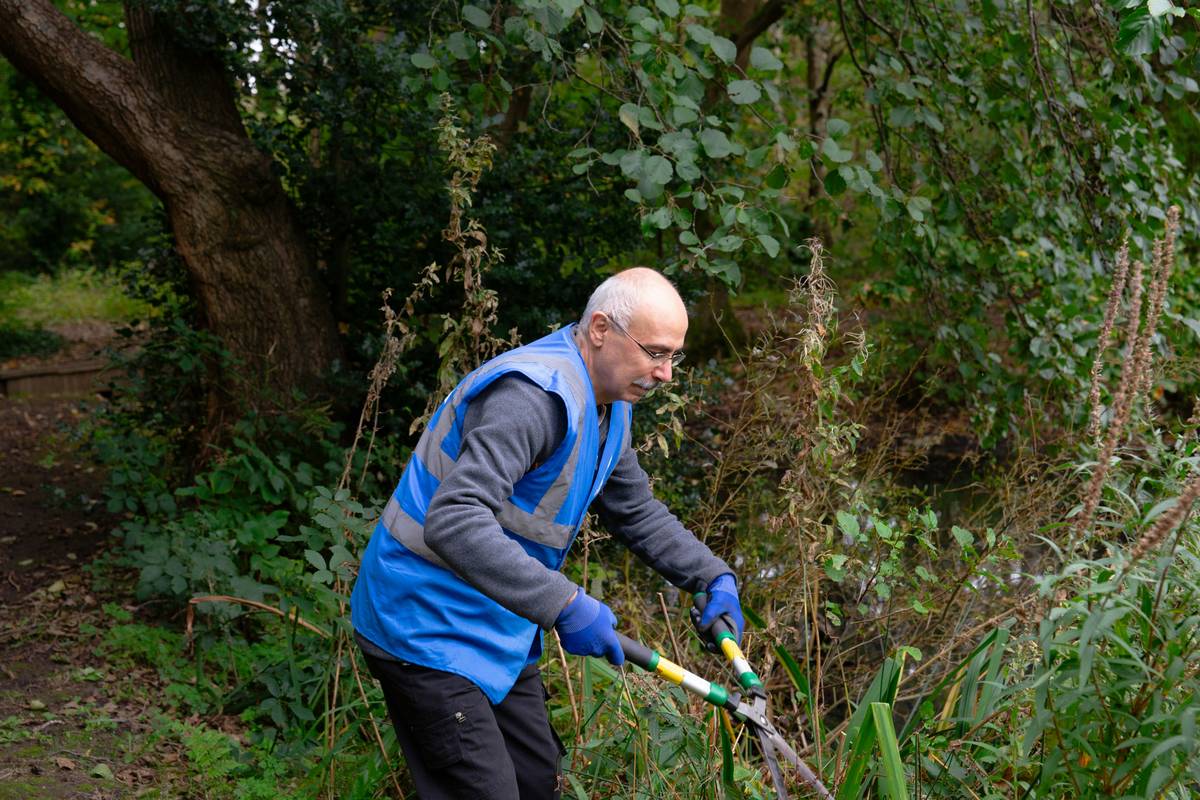
How to Use Loppers Correctly: A Step-by-Step Guide
Step 1: Identify the Right Branch—and the Right Time
Target only live, healthy growth between ½” and 2″ thick. Avoid lopping water sprouts or suckers unless removing them entirely—they regrow aggressively. Prune deciduous trees in late winter before bud swell; for spring-flowering shrubs (like lilacs or forsythia), wait until immediately after bloom.
Step 2: Find the Branch Collar—Then Stop There
Look for the swollen ridge where branch meets trunk or parent stem. Your cut should land just outside that collar—not flush, not inside, and never leaving a stub. This collar contains specialized tissue that seals the wound naturally. Cutting into it invites rot.
Step 3: Align the Blade for Maximum Leverage
Place the branch deep into the jaw—near the pivot, not the tip—to engage full mechanical advantage. For bypass models, position the sharp blade against the side of the branch that will face outward after pruning (to minimize tear-out on the visible surface).
Step 4: Make One Firm, Continuous Cut
No sawing. No hesitation. Apply steady pressure through your wrists and forearms—not just fingers. If you feel resistance beyond smooth resistance, stop: that branch is too thick or your blade is dull.
5 Non-Negotiable Best Practices (Plus 1 Terrible Tip to Avoid)
- Sharpen every 8–10 uses. Dull blades crush fibers, leaving ragged wounds that attract borers and fungal spores. Use a medium-grit file and follow the original bevel angle.
- Sanitize between plants. Wipe blades with 70% isopropyl alcohol—even between roses—to break transmission of fire blight, black spot, or rose rosette virus.
- Store with jaws open and lightly oiled. Humidity warps wooden handles and rusts carbon steel. A dab of mineral oil prevents oxidation without attracting dust.
- Match type to task: Bypass for live, green stems (clean shear); anvil only for dead, dry, or brittle wood (its crushing action doesn’t harm inert tissue).
- Replace worn pivots annually. A loose hinge reduces force transfer by up to 40%, per a 2023 durability study by the Penn State Extension.
- Terrrible tip to avoid: “Just grip harder.” Forcing loppers past their capacity strains tendons, damages tool geometry, and guarantees poor cuts. If it resists, switch to a pruning saw—or reconsider whether the branch needs removal at all.
Real Results: Before-and-After Pruning with the Right Loppers
Last August, my neighbor Maria—a lifelong DIYer with no arboriculture training—replaced her 15-year-old anvil loppers with ergonomically balanced bypass loppers rated for 1.75″ green wood. She focused on her overgrown holly hedge (previously hacked twice yearly with hedge trimmers). Over six weeks, she pruned selectively—removing only crossing, inward-growing, or diseased stems—with clean collar cuts.
Results? New growth emerged within 11 days (vs. 23+ days previously). Pest scouting found zero scale insects where infestations had been chronic. Most tellingly, her $5,200 rooftop solar array gained 12% more daily exposure—no recalibration needed—because shaded lower limbs were gone. And her shoulder pain? Gone. She emailed me last week: “Turns out what are loppers for pruning was less about the tool and more about listening to what the plant actually needs.”
FAQs About Pruning Tools and Tree Health
- Can I use loppers on fruit trees?
- Absolutely—but always sanitize between varieties (e.g., apple to peach) to prevent cross-contamination of diseases like phytophthora root rot. Also, prune stone fruits (plum, cherry) in summer to avoid fungal infection entry via wet cuts.
- Are battery-powered loppers worth it?
- For most homeowners, no. Cordless models sacrifice precision control, weight balance, and tactile feedback. They shine for commercial crews doing hundreds of cuts daily—but struggle with fine positioning and often dull faster due to higher torque strain.
- Why do some loppers have curved blades?
- Curved blades (especially on bypass models) wrap snugly around round stems, increasing contact area and reducing slip risk. Straight blades work better on flat surfaces like shrub tops or angled cuts—but curve wins for branch integrity.
- How do loppers differ from pruners and pole saws?
- Pruners handle stems under ¾”; loppers bridge ¾”–2″; pole saws reach 8’–12′ but lack lopper-level precision. Using pruners on thick wood crushes tissue; using loppers on pencil-thin twigs wastes effort and risks accidental nicks.
- Where can I learn proper pruning technique?
- The International Society of Arboriculture offers free homeowner primers, and our About Us page links to certified local workshops. We also share seasonal checklists—you can contact us for our next community pruning demo.
At its core, what are loppers for pruning boils down to this: they’re how we speak to woody plants—with clarity, respect, and intention. Not force. Not guesswork. Just precise, timed conversation. So next time you pick one up, don’t ask “how do I cut this?” Ask instead: “What does this branch need to thrive—and how can I help?”
Your yard isn’t background noise. It’s living infrastructure. Tend it wisely.