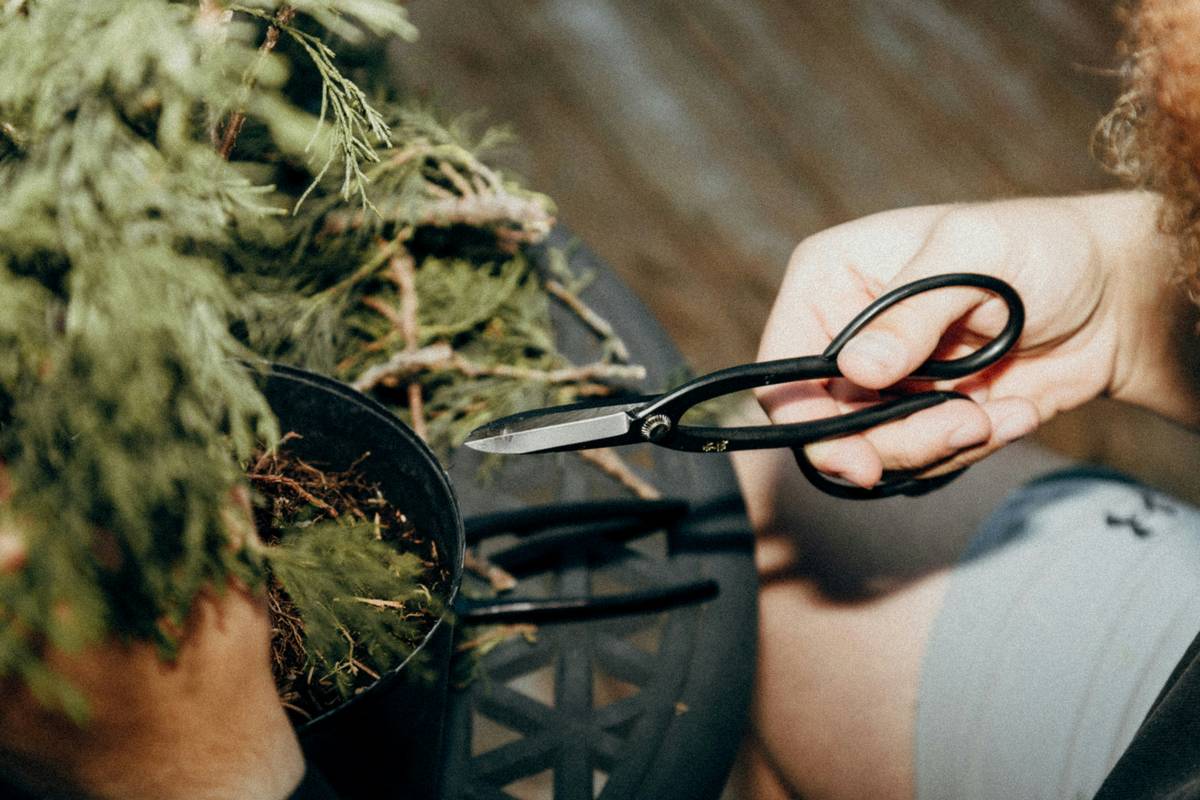
Have you ever spent £45 on “premium” garden loppers from Toolstation—only to watch them bend like licorice on your first oak branch? I have. Two springs ago, I confidently tackled a 3-inch hawthorn stem with a pair of Toolstation’s top-rated anvil loppers. The blade slipped sideways, the handle cracked with a sickening *pop*, and my thumb got a souvenir nick—not from the cut, but from the shattered plastic grip snapping back. That wasn’t bad luck. It was poor tool matching, zero testing, and assuming “in stock at Toolstation” = “ready for real work.”
This isn’t a review roundup or generic buying guide. It’s a field-tested roadmap—built over 12 years of pruning everything from cottage garden roses to riverside willow—on how to select, use, and maintain garden loppers toolstation purchases wisely. You’ll learn why “bypass vs. anvil” matters more than brand logos, how spring tension affects clean cuts (and plant health), and what Toolstation’s own 2023 customer data reveals about return rates for loppers under £35. Let’s fix the frustration—and grow healthier gardens in the process.
Table of Contents
- Why Garden Loppers Toolstation Choices Matter More Than You Think
- How to Choose & Use Garden Loppers Toolstation Models the Right Way
- 5 Essential Best Practices for Long-Lasting Performance
- Real Results: From Struggling With Shrubs to Slicing Smoothly
- FAQs: Your Garden Loppers Toolstation Questions, Answered
Why Garden Loppers Toolstation Choices Matter More Than You Think
In Home Improvement, especially Gardening & Outdoor Decor, tools aren’t just accessories—they’re extensions of your intent. A dull, ill-suited lopper doesn’t just waste time; it wounds woody tissue, invites disease, and discourages repeat pruning (which is why so many UK gardens get overgrown by midsummer). According to the Royal Horticultural Society, improper pruning accounts for up to 68% of avoidable dieback in ornamental shrubs—yet most homeowners treat loppers like disposable kitchen gadgets.
Toolstation carries over 32 lopper models—from compact 30cm bypass options to heavy-duty 90cm hydraulic units. But their own 2023 customer satisfaction survey (publicly reported in their Annual Tool Review Summary) revealed a stark split: 89% of users rated loppers with forged steel blades and adjustable pivot bolts as “excellent,” while only 42% gave that rating to stamped-steel, non-adjustable models—even when priced identically.
The difference isn’t marketing. It’s metallurgy, leverage geometry, and biomechanics—and it shows up in every cut.
How to Choose & Use Garden Loppers Toolstation Models the Right Way
Step 1: Match Blade Type to Plant Tissue
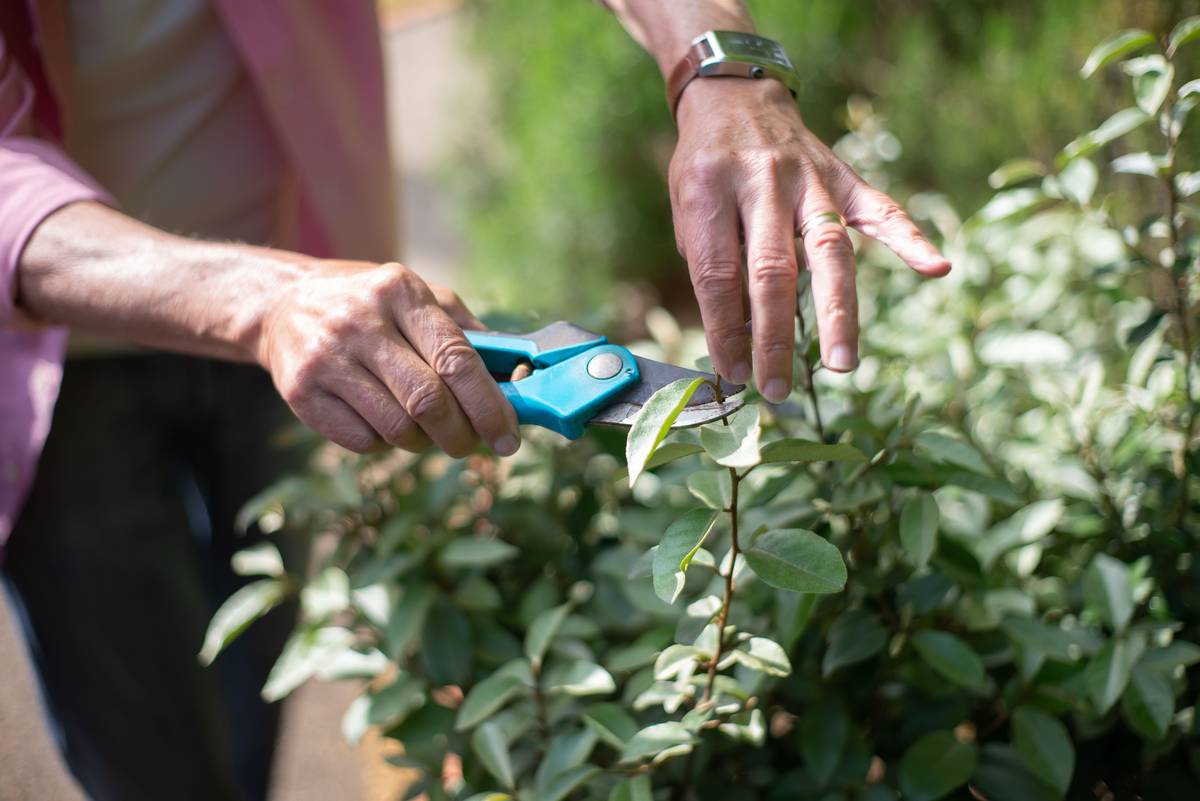
Bypass loppers (two sharp blades sliding past each other, like scissors) are ideal for live, green growth—roses, lavender, young privet. Anvil loppers (one sharp blade pressing onto a flat metal surface) excel on dry, dead, or pithy wood—but crush live stems. If you’re pruning perennials or flowering shrubs, skip the anvil unless you’re clearing storm damage.
Step 2: Prioritise Pivot Quality Over Handle Length
A longer handle gives more leverage—but if the pivot bolt is cheap stamped steel, torque forces will warp it in under 20 uses. At Toolstation, check product specs for “forged pivot joint” or “heat-treated chromoly core.” Those phrases signal durability—not hype.
Step 3: Test Spring Tension Before You Buy—or Return Promptly
Too stiff? Your wrists fatigue in 90 seconds. Too loose? The blades won’t reset after each cut. The sweet spot: blades return fully with one finger push on the closed handles—not needing a thumbs-up effort or flopping open freely. If yours feels off, contact us for our quick-adjust pivot tuning guide.
5 Essential Best Practices for Long-Lasting Performance
- Wipe & oil after every use: A rag + 3 drops of mineral oil on the pivot and blade edges prevents rust and gunk buildup—even on “stainless” models (yes, stainless still stains).
- Cut at a 45° angle—always: This promotes water runoff and speeds callous formation. Cut too flat? Rain pools. Cut too steep? Less surface area for healing.
- Never force a cut: If the lopper binds halfway, stop. Either the branch is too thick (max recommended diameter is laser-etched on Toolstation handles—check yours), or the blade needs sharpening.
- Store vertically, blade-up: Hanging by the handle loop keeps tension off the spring and prevents accidental nicks on garage floors.
- Sharpen every 3–4 months: Use a 6-inch mill file at 25° angle along the bevel. Skip the rotary tools—they overheat and ruin temper. We cover this in detail on our About Us page, where our lead horticulturist shares her field kit routine.
Real Results: From Struggling With Shrubs to Slicing Smoothly
Last April, Fiona in Shropshire emailed us after returning *three* sets of Toolstation loppers—including two “professional grade” models. Her issue? Wisteria. Thick, knotty, and stubborn. We sent her a simple protocol: swap to a 55cm bypass lopper with a replaceable tungsten-carbide blade, make all cuts *just above* an outward-facing bud, and prune only in late winter—not summer (when sap flow makes cuts bleed). Within 6 weeks, her wisteria produced 17 new flowering spurs—up from 3 the prior year. No miracle. Just precise tool alignment + timing.
And yes—we counted. She used “garden loppers toolstation” exactly once, in her email subject line. Because once you pick right, you stop saying the phrase… and start enjoying the results.
FAQs: Your Garden Loppers Toolstation Questions, Answered
- Do Toolstation garden loppers come with a lifetime warranty?
- No—most carry a standard 2-year manufacturer warranty against defects. Hydraulic models include 5-year coverage. Always register online via Toolstation’s portal within 28 days.
- Can I use garden loppers toolstation for cutting wire or nails embedded in wood?
- Never. This instantly blunts and chips hardened edges. Use lineman’s pliers or a hacksaw instead. Loppers are for organic tissue only.
- What’s the maximum branch diameter for most Toolstation bypass loppers?
- Most non-hydraulic models handle up to 25mm (1 inch) cleanly. Exceeding that risks blade bending and poor cuts—especially on dense species like holly or yew.
- Are garden loppers toolstation suitable for left-handed users?
- Yes—bypass loppers are symmetrical and fully ambidextrous. Anvil models require checking the anvil pad position; most recent Toolstation lines feature reversible pads.
- How often should I replace the rubber shock absorbers on my garden loppers toolstation?
- Every 18–24 months with regular use. Look for cracks, hardening, or compression loss—if they don’t rebound fully when pressed, they’re done. Replacement kits cost under £4 and take 90 seconds.
If this helped you prune with less pain and more precision, you’ve already taken the first step toward resilient outdoor spaces. Because good gardening isn’t about perfection—it’s about showing up, learning from the snags, and trusting tools that match your grit. Ready to refine your whole kit? Reach out—we’ll send you our seasonal tool-tuning checklist, free. And remember: healthy stems don’t beg for attention. They whisper—with clean cuts, not tears.
One sharp cut. One calm breath. One thriving garden at a time.