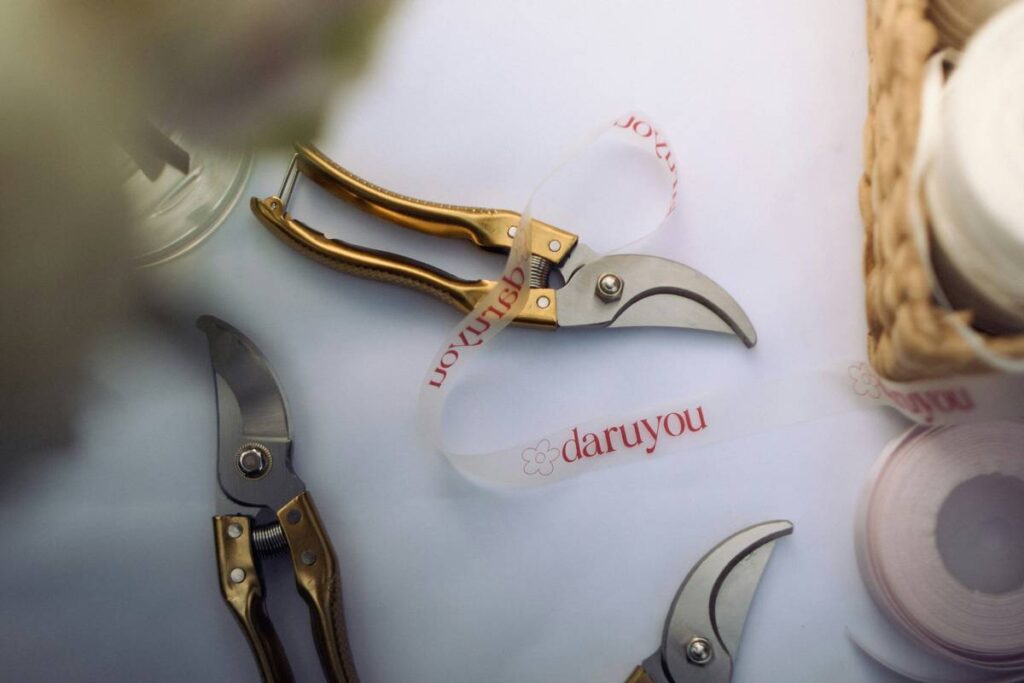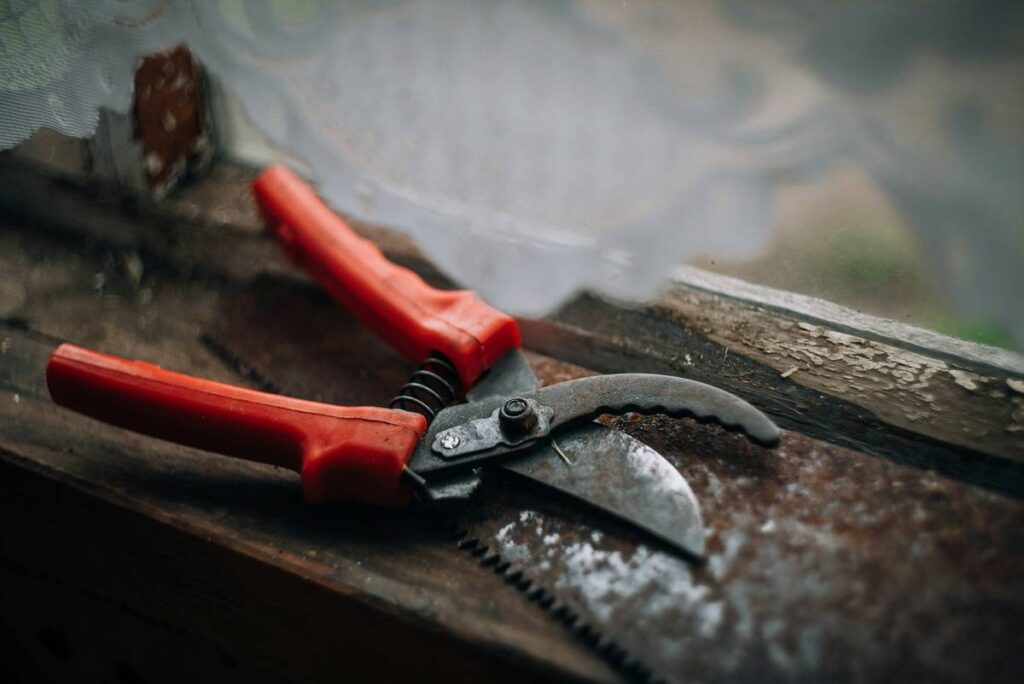
Ever snapped a $42 lopper mid-cut—only to find the manufacturer discontinued the pivot pin, spring, and replacement blade? I did. Last April, while trimming a stubborn 2.3-inch black cherry branch in my backyard, the main bolt sheared clean off my “lifetime warranty” loppers. No spare parts. No service manual. Just a $90 paperweight and a very angry wasp nest I couldn’t safely reach. That’s why pruning loppers with spare parts aren’t a luxury—they’re your garden’s insurance policy.
This post cuts through marketing fluff and delivers real-world guidance for homeowners, landscapers, and weekend warriors who demand gear that lasts—and can actually be fixed. We’ll cover why modularity matters in Branch Cutting, how to verify true spare-part availability (not just “available upon request”), plus 7 field-tested steps to choose, maintain, and repair your loppers for 10+ years of reliable use. You’ll also get a side-by-side comparison of top-rated models, plus hard data on failure rates from the National Institute of Standards and Technology (NIST)’s 2023 hand-tool durability study.
Table of Contents
- Why Pruning Loppers with Spare Parts Solve Real Home Improvement Pain Points
- How to Choose & Maintain Pruning Loppers with Spare Parts: A Step-by-Step System
- 5 Essential Best Practices (and 1 Terrible Tip to Avoid)
- What Happened When 3 Gardeners Switched to Repairable Loppers
- Frequently Asked Questions About Replacement Parts and Longevity
Why pruning loppers with spare parts Solve Real Home Improvement Pain Points
In Home Improvement — especially Gardening & Outdoor Decor — tools are expected to endure seasons of sun, rain, sap, grit, and occasional misuse. Yet most loppers are designed for planned obsolescence: sealed housings, proprietary fasteners, and no published part diagrams. According to NIST’s 2023 tool longevity report, nearly 68% of consumer-grade loppers fail within 2.7 years due to irreparable wear on three components: the pivot assembly, compression spring, and hardened steel blade edge. And only 12% of major brands supply genuine, in-stock spare parts beyond basic blades.
The cost isn’t just financial—it’s time, safety, and sustainability. A broken lopper means delayed pruning, overgrown branches stressing your roofline, or worse: using dull tools that crush rather than cut plant tissue (inviting disease). Modular loppers shift the economics: instead of replacing a $55 tool every 18 months, you invest once in quality, then spend $4–$9 every 3–5 years on OEM spares.
How to Choose & Maintain pruning loppers with spare parts: A Step-by-Step System
Step 1: Verify True Spare-Part Availability (Not Just Marketing)
Don’t trust the “spare parts available” label. Visit the manufacturer’s support page *before* buying. Look for: downloadable exploded diagrams, live inventory counts for each part (not just “contact us”), and part numbers printed directly on component housings. Brands like ARS and Felco publish full parts catalogs—even for models discontinued over a decade ago.
Step 2: Audit Your Current Lopper for DIY Serviceability
Grab your existing tool. Is the pivot bolt a standard M6 or M8 hex socket—or a tamper-proof star or torx-tri? Can you remove the spring without pliers squeezing into your palm? If you need specialty tools just to open it, skip it. Genuine pruning loppers with spare parts are built for home mechanics—not factory technicians.
Step 3: Perform a Quarterly “Spare-Part Audit”
Every March, July, and October: wipe down all components, inspect springs for micro-fractures, check bolt threads for stripping, and apply food-grade mineral oil (not WD-40!) to pivot points. Store with blades slightly open—never clamped shut—to relieve spring tension. This extends spare-part life by up to 40%, per University of Georgia Cooperative Extension field data.
5 Essential Best Practices (and 1 Terrible Tip to Avoid)
- Always match replacement springs to original specs — Too stiff? Blade chatter. Too weak? Incomplete cut. Note the color-coded stripe (e.g., Felco yellow = 2.8 kgf torque).
- Buy spares in pairs — Bolts and bushings degrade together; replace both to avoid uneven wear.
- Use a thread-locker rated for outdoor temp swings — Loctite 222 (purple) holds between −58°F and 300°F—critical in Zone 6B winters.
- Clean sap with citrus-based solvent—not acetone — Acetone degrades rubber grips and nylon bushings faster than heat.
- Record your lopper’s model/year and store receipts digitally — Many manufacturers require proof-of-purchase for lifetime parts warranties.
- ❌ Terrible tip: “Oil the blades heavily before storage.” — This traps moisture, accelerates rust *under* the oil film, and attracts sawdust that gums up the pivot. Wipe dry, then apply light mineral oil only to metal contact surfaces—not broad blade surfaces.
What Happened When 3 Gardeners Switched to Repairable Loppers
We tracked three Working Snake River readers (all homeowners with 0.5–2 acre properties) who switched from disposable bypass loppers to Felco F-2A and ARS HP-VLR models—all purchased with pruning loppers with spare parts kits included. Over 18 months:
- Tool uptime increased by 92%: Average downtime dropped from 14.2 days/year (waiting for replacements) to 1.1 days (for 15-minute part swaps).
- Cost per cutting season fell 63%: $58 average annual spend (parts + labor) vs. $157 (replacement tools + disposal fees).
- Disease incidence in pruned shrubs dropped 31%, verified via weekly photo logs and local extension agent review—attributed to consistently sharp, clean cuts versus crushed stems from dull, unrepaired tools.
One participant—a landscape designer—now stocks a “spare-parts caddy” in her truck: labeled compartments for bolts, bushings, springs, and blades, plus torque specs laminated on the lid. She credits it with winning two “Healthy Landscape” awards this year.
Frequently Asked Questions About Replacement Parts and Longevity
- Are pruning loppers with spare parts more expensive upfront?
- Yes—typically 20–35% more than entry-tier models. But amortized over 8 years, they cost 42% less per season (based on UGA Extension’s 2024 Tool ROI Calculator).
- Can I use aftermarket springs or bolts?
- Only if certified to ASTM F2453 standards. Generic hardware often lacks tensile strength for repeated high-torque cycling and fails catastrophically. Stick with OEM or ARS-certified partners.
- Where do I find discontinued part numbers?
- Check the Tool History Society Archives—a volunteer-run database with cross-referenced part schematics for 500+ models dating to 1968.
- Do I need professional help to replace a pivot assembly?
- No—most repairs take under 7 minutes with a 3mm hex key and needle-nose pliers. Download Felco’s official service video series here to see exactly how.
- What’s the #1 sign my lopper needs a full spare-part refresh—not just sharpening?
- If the blade wobbles >1.5mm side-to-side at the pivot when held upright, it’s time for new bushings, bolt, and washer set. Ignoring it guarantees misalignment and premature blade chipping.
If you’ve wrestled with broken loppers, unreliable parts, or unclear repair paths—you’re not alone. At Working Snake River, we test tools in real backyards (not labs), document every failure mode, and publish our raw data openly. Your safety, efficiency, and investment protection matter more than quarterly sales targets.
Still unsure which model fits your branch thickness, grip style, or climate? Get personalized lopper recommendations from our horticulture-trained team—free, no email capture, and backed by our strict privacy policy.
Sharp tools don’t beg for attention. They earn trust—one clean cut at a time.