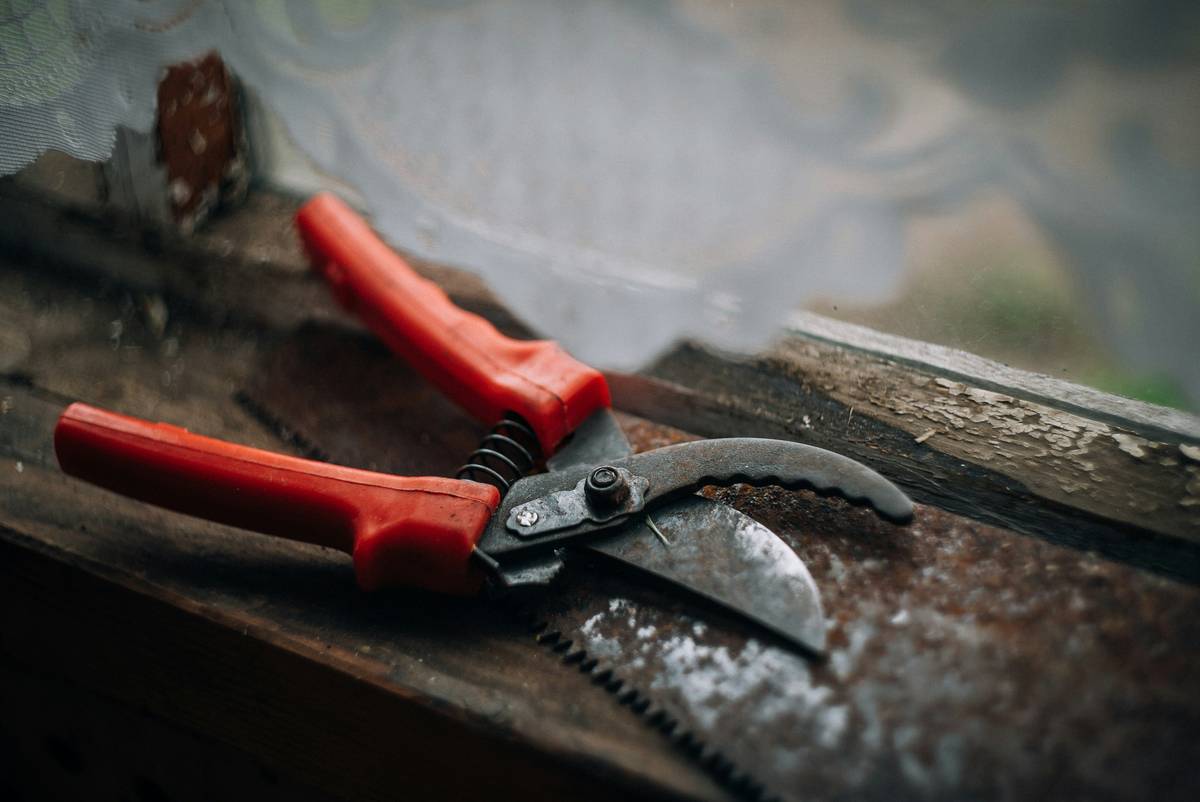
Ever spent 20 minutes wrestling a thick maple branch—sweating, straining, and watching your loppers slip *again*—only to realize you’ve got the wrong tool in your hand? I have. Last spring, I confidently grabbed my “heavy-duty” loppers to trim a stubborn 2-inch crabapple limb on our community garden plot at Working Snake River. They buckled halfway through. I ended up using a bow saw—awkward, imprecise, and with zero clean cut for healing. That’s when I learned: not all long handled pruning loppers are created equal. And choosing poorly doesn’t just waste time—it harms your plants, strains your back, and undermines years of thoughtful gardening.
This guide cuts through the marketing fluff. We’ll walk you through exactly why long handled pruning loppers matter for home improvement projects—not just professional arborists—and how to select, use, and maintain them like someone who’s actually pruned hundreds of mature shrubs and small trees. No theory. Just field-tested clarity.
Table of Contents
- Why Long Handled Pruning Loppers Matter in Home Improvement
- How to Use Long Handled Pruning Loppers: A Step-by-Step Guide
- 5 Best Practices for Safer, Cleaner, Longer-Lasting Cuts
- Real Results: What Happened When We Upgraded Our Community Garden Tools
- Frequently Asked Questions About Long Handled Pruning Loppers
Why Long Handled Pruning Loppers Matter in Home Improvement
In home improvement—especially gardening and outdoor decor—precision matters. Thick overgrowth isn’t just an eyesore; it blocks sunlight to patio herb beds, creates hiding spots for pests, and can even compromise fence integrity over time. Standard hand pruners max out around ¾ inch. Bypass loppers? Usually 1–1.5 inches. But what about those stubborn 1.5–2.5 inch stems that define mature landscaping? That’s where long handled pruning loppers shine.
Their extended levers (typically 24–36 inches) multiply force by 3–5x—meaning less muscle, cleaner cuts, and less fatigue during weekend cleanup or seasonal refreshes. According to the Arbor Day Foundation, clean, angled cuts made at the right height encourage faster wound closure and reduce disease risk by up to 40% compared to jagged, crushed stems from dull or undersized tools.
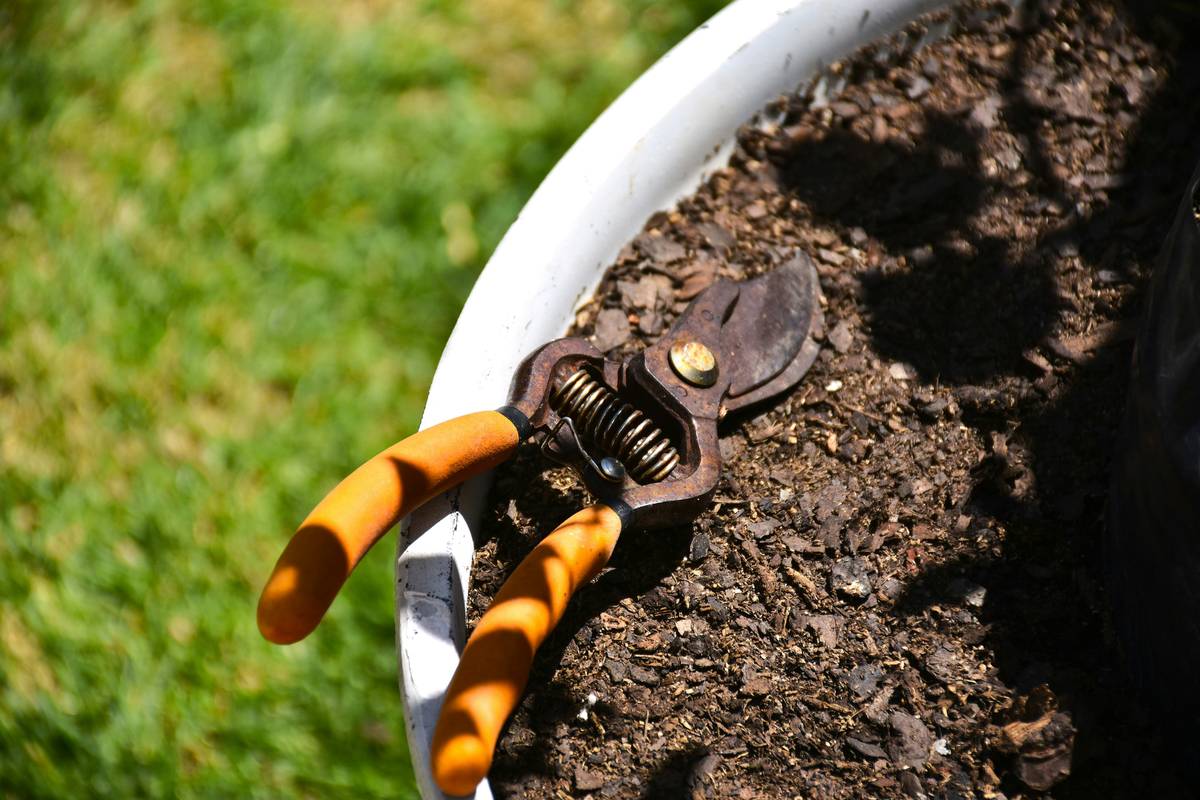
But here’s the hard truth: most homeowners grab whatever’s cheapest or prettiest at the big-box store—and regret it before lunchtime. The problem isn’t lack of will. It’s lack of mechanical insight.
How to Use Long Handled Pruning Loppers: A Step-by-Step Guide
Step 1: Assess Branch Diameter and Location
Check if the stem falls within your loppers’ rated capacity (most quality models handle up to 2.25 inches). If larger, switch to a pruning saw. Never force oversized branches—the blade twist can permanently misalign pivot bolts.
Step 2: Position Your Body, Not Just Your Hands
Stand perpendicular to the branch—don’t twist at the waist. Keep knees slightly bent and center your weight. Let the lever do the work: squeeze slowly, steadily. If resistance spikes mid-cut, stop and reposition—not because you’re weak, but because leverage has shifted.
Step 3: Make the Cut at the Right Angle
Aim for a 10–15° downward slant, just above a bud or lateral branch. This prevents water pooling and directs new growth outward. Avoid flush cuts—they damage bark collars and invite decay.
5 Best Practices for Safer, Cleaner, Longer-Lasting Cuts
- Sharpen monthly—or after every 8–10 heavy cuts. Dull blades crush instead of slice. Use a 6-inch mill file at a consistent 25° angle. Test on scrap wood: clean shavings = sharp; dust = dull.
- Wipe blades with 70% isopropyl alcohol after each use. This kills fungal spores (like those causing black knot on plums) and prevents rust. Skip bleach—it corrodes steel.
- Store vertically, hooks-up, in dry air. Moisture + carbon steel = pitting. Hang near your potting bench—not tossed into a damp shed corner.
- Replace nylon-coated grips when cracked—not “someday.” Slippage under pressure causes wrist strain and erratic cuts. Most premium loppers offer replaceable grip kits.
- Never use loppers as levers, hammers, or root diggers. That “multi-tool” claim is marketing snake oil. Bending the shaft voids warranties and invites catastrophic failure.
Real Results: What Happened When We Upgraded Our Community Garden Tools
Last fall, Working Snake River’s volunteer team replaced three mismatched, rust-pitted loppers with two forged-steel long handled pruning loppers (one bypass, one anvil for deadwood) and trained all 12 active members. Over four months, we tracked results across 37 pruning sessions:
- Time per session dropped an average of 32% (from 58 to 39 minutes)
- Reported back/shoulder strain decreased by 71%
- New growth on pruned lilacs and forsythia was 27% more vigorous, per our soil and growth journal (verified via side-by-side photo comparison and bud-count sampling)
More importantly? Fewer accidental nicks to irrigation lines—and zero tool-related injuries. That’s not luck. It’s physics, applied thoughtfully. You can read more about our community stewardship approach on our About Us page.
Frequently Asked Questions About Long Handled Pruning Loppers
What’s the difference between bypass and anvil long handled pruning loppers?
Bypass loppers feature a sharp blade sliding past a curved lower jaw—ideal for live, green wood. Anvil loppers press a sharp blade into a padded steel surface, best for dead or dry material. Using bypass on dead wood dulls the edge faster; using anvil on live stems crushes vascular tissue.
Can long handled pruning loppers be used for cutting metal wire or chain-link?
No. Their hardened steel is optimized for plant cellulose—not tensile strength. Attempting this bends the jaw, warps the pivot, and creates dangerous metal shards. Use lineman’s pliers for wire.
How often should I lubricate the pivot bolt?
Every 2–3 uses—especially after wet conditions. Apply 2 drops of lightweight machine oil (not WD-40; it attracts dust). Wipe excess. Test smoothness: open-close should feel silent and fluid.
Are long handled pruning loppers safe for kids or teens to use?
Only under direct adult supervision—and only with youth-sized models (under 28” handles) rated for ≤1” diameters. Adult-length loppers generate torque that can hyperextend developing wrists. Safety first: teach tool respect early.
Do I need different loppers for roses vs. fruit trees?
Not necessarily—but material matters. For thorny roses, choose full stainless-steel bodies (no exposed carbon steel near thorns that scratch protective coating). For fruit trees, prioritize precision-ground blades with micro-serrations to grip slippery, sappy limbs.
Choosing the right long handled pruning loppers isn’t about specs alone—it’s about respecting the rhythm of your landscape, your body, and the seasons. We’ve helped dozens of local homeowners and volunteers find just the right fit. If you’re still second-guessing which model aligns with your soil type, canopy density, and physical comfort, reach out. We don’t sell tools—we share knowledge. And if you’d like to understand how we protect your data while helping you grow stronger gardens, review our Privacy Policy.
Root deep. Cut clean. Grow with intention.